Pocket Template Solutions
Template structure for repeatable pocket positioning and topstitching in industrial garment production.
Define the template around the operation.
Pocket operations depend on repeatable placement, stable fold geometry and a stitch path that remains visible to the operator. The template should be reviewed against pocket shape, seam allowance, fabric behavior and the loading sequence before the material stack is finalized.
- Positioning fences
- Grip and closure
- Repeatability checks
Move from operation to a tested template.
Use this sequence as the engineering discussion frame; final dimensions follow the approved garment pattern and factory equipment.
- 01
Confirm pocket shape, seam allowance and visible topstitch line.
- 02
Define stops and grip points that control fabric without marking it.
- 03
Route the sewing groove and check presser-foot clearance.
- 04
Pilot the template on production fabric before duplicating the set.
Continue from the operation to the working details.
Use these guides to review material, grip, maintenance and template-making decisions behind this application.
Connect the application to the product system.
Final selection depends on fabric, operation, sewing equipment and expected run size.
PVC Template Sheets
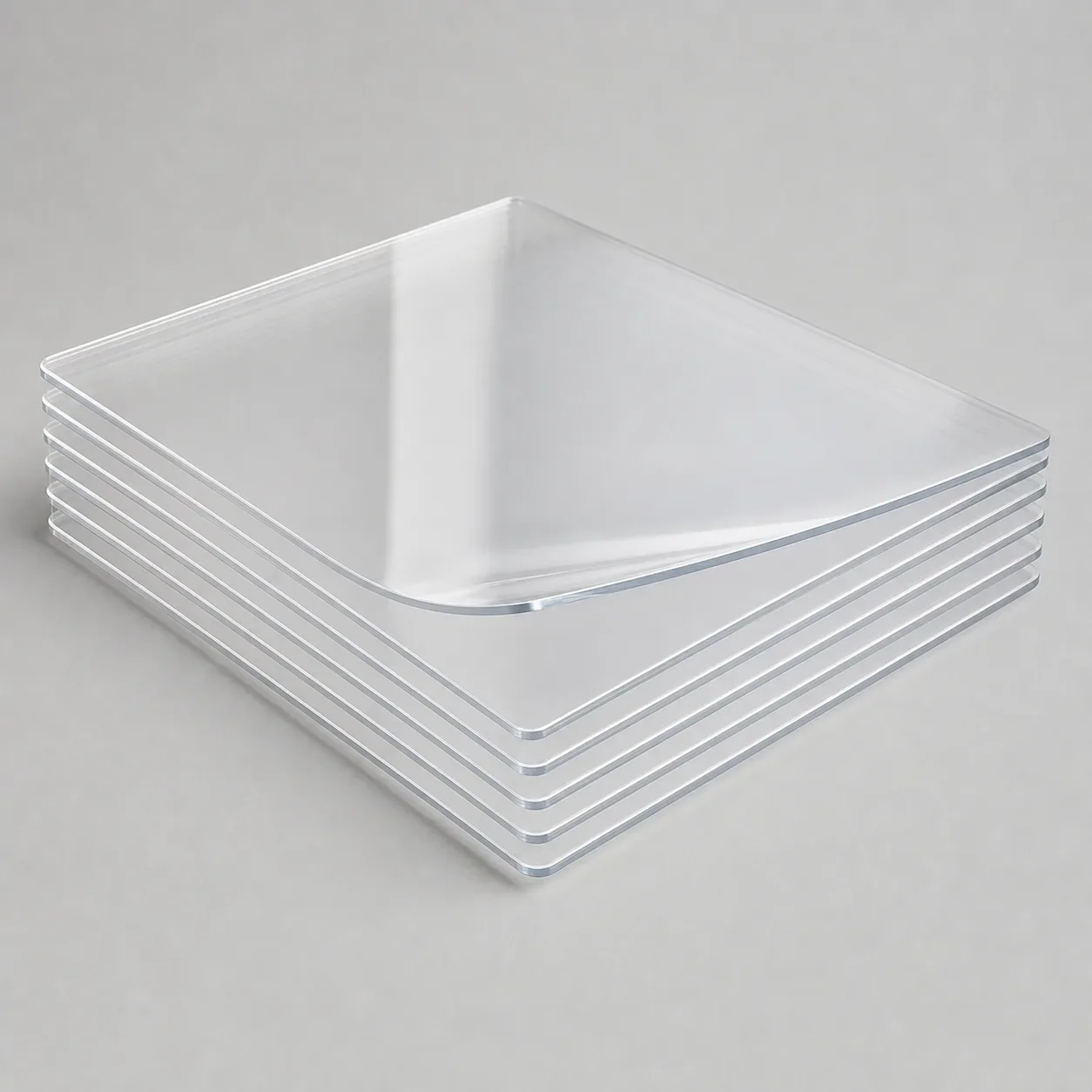
Rigid transparent and colored PVC sheet for reusable garment sewing templates, from 0.8–3 mm.
Review product lineEpoxy Template Boards
Water-green and yellow fiberglass epoxy board variants from 0.3–3 mm for thin, stiff and high-wear templates.
Review product lineGarment Template Accessories
The full consumables system for building, gripping, closing and maintaining garment templates.
Review product lineBring the garment operation and machine context.
Share a process description, current pain point and equipment model so the inquiry can be routed to the relevant material and accessory groups.