Down Jacket Template Solutions
Large-format and wear-resistant template systems for quilting and repeated panel operations.
Define the template around the operation.
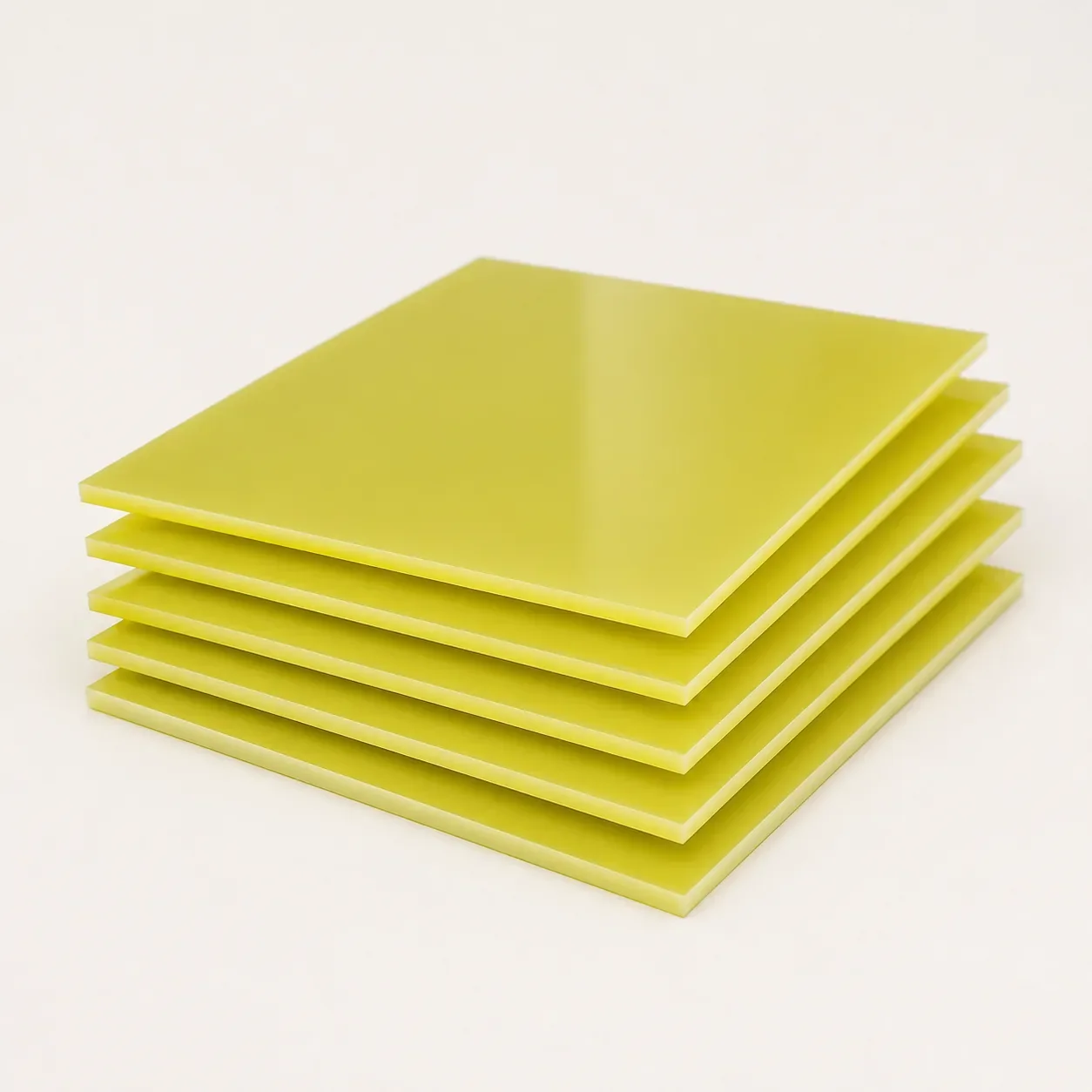
Down-jacket panels often require larger working areas and repeated quilting paths. Board selection, panel support and groove layout should be planned together so the template remains manageable and wears evenly during production.
- Large working areas
- High-wear materials
- Quilting repeatability
Move from operation to a tested template.
Use this sequence as the engineering discussion frame; final dimensions follow the approved garment pattern and factory equipment.
- 01
Confirm panel dimensions and quilting-line sequence.
- 02
Select sheet construction for size, stiffness and repeated wear.
- 03
Divide oversized work into manageable loading sections if needed.
- 04
Validate groove spacing and fabric control on filled sample panels.
Continue from the operation to the working details.
Use these guides to review material, grip, maintenance and template-making decisions behind this application.
Epoxy Template Boards Explained
Fiberglass epoxy board thicknesses, water-green and yellow grades, cutting requirements and best-fit applications.
Read technical guideTemplate Pins for Garment Templates
Pin sizes, polished and ribbed anti-slip types, use cases and box-to-carton purchasing quantities.
Read technical guideConnect the application to the product system.
Final selection depends on fabric, operation, sewing equipment and expected run size.
PVC Template Sheets
Rigid transparent and colored PVC sheet for reusable garment sewing templates, from 0.8–3 mm.
Review product lineEpoxy Template Boards
Water-green and yellow fiberglass epoxy board variants from 0.3–3 mm for thin, stiff and high-wear templates.
Review product lineGarment Template Accessories
The full consumables system for building, gripping, closing and maintaining garment templates.
Review product lineBring the garment operation and machine context.
Share a process description, current pain point and equipment model so the inquiry can be routed to the relevant material and accessory groups.