Garment template solutions start with the sewing task.
Choose the operation first, then define the sheet, groove, grip, closure and equipment around it.
Find your operation, then trace the garment template solutions.
Every solution page follows the same chain: the operation you run, the defects it produces without a jig, the template structure that removes them, and the materials list that builds it.
Pocket setting fights placement drift and corner variance, so its template is a small two-layer jig with fences and grip. Collar and cuff runs fight asymmetry on curves, so their templates fix the plies and expose only the run-stitch path. Plackets and zippers fight puckering along a long straight seam, so their templates control the full seam length with magnets clear of the foot. Down-jacket quilting fights ply shift across big padded panels, so its frames use epoxy for stiffness at speed.
Start from the operation costing you the most rework; one proven template pays for the pilot kit many times over. If you are planning a whole template room rather than a single jig, the room setup solution sequences the equipment, materials and staffing in the order that de-risks the spend.
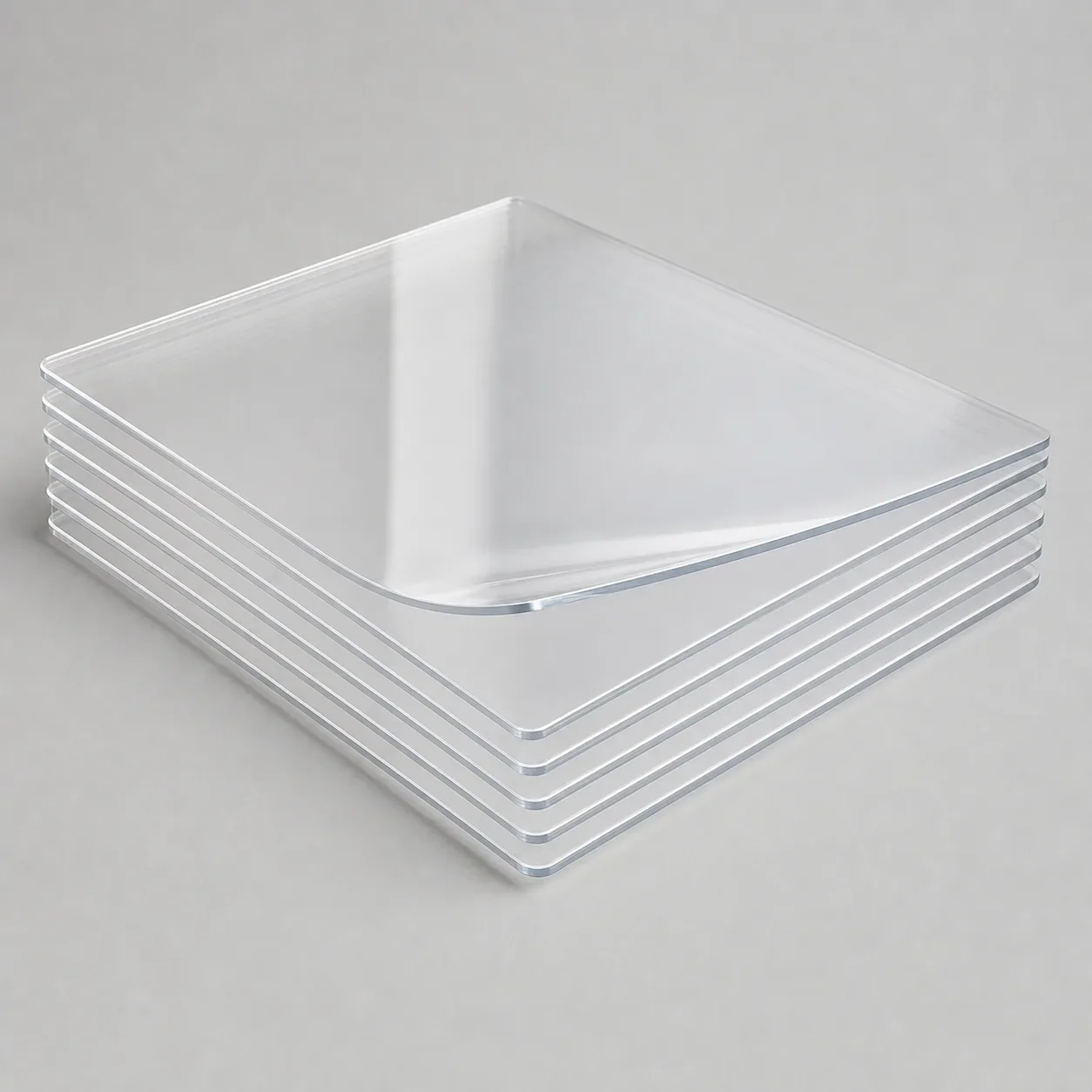
Pocket garment template solutions
Template structure for repeatable pocket positioning and topstitching in industrial garment production.
- Positioning fences
- Grip and closure
- Repeatability checks
Collar & Cuff Template Solutions
Rigid guides for curved seams, paired components and consistent visible topstitching.
- Curved groove control
- Paired-part consistency
- Material selection
Placket & Zipper Template Solutions
Jigs for straight alignment, controlled feed and reduced puckering along garment openings.
- Line alignment
- Fabric-feed control
- Closure clearance
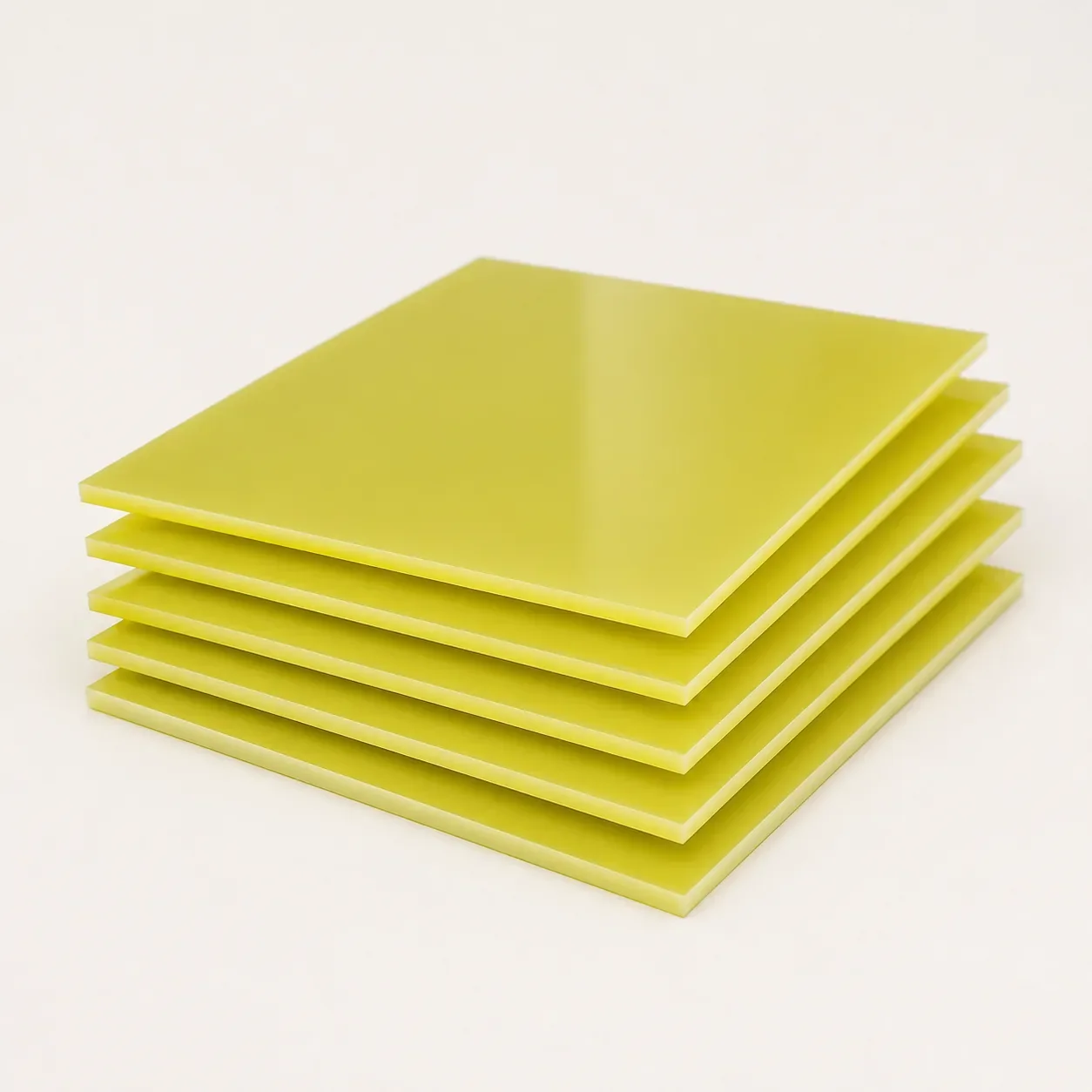
Down Jacket Template Solutions
Large-format and wear-resistant template systems for quilting and repeated panel operations.
- Large working areas
- High-wear materials
- Quilting repeatability
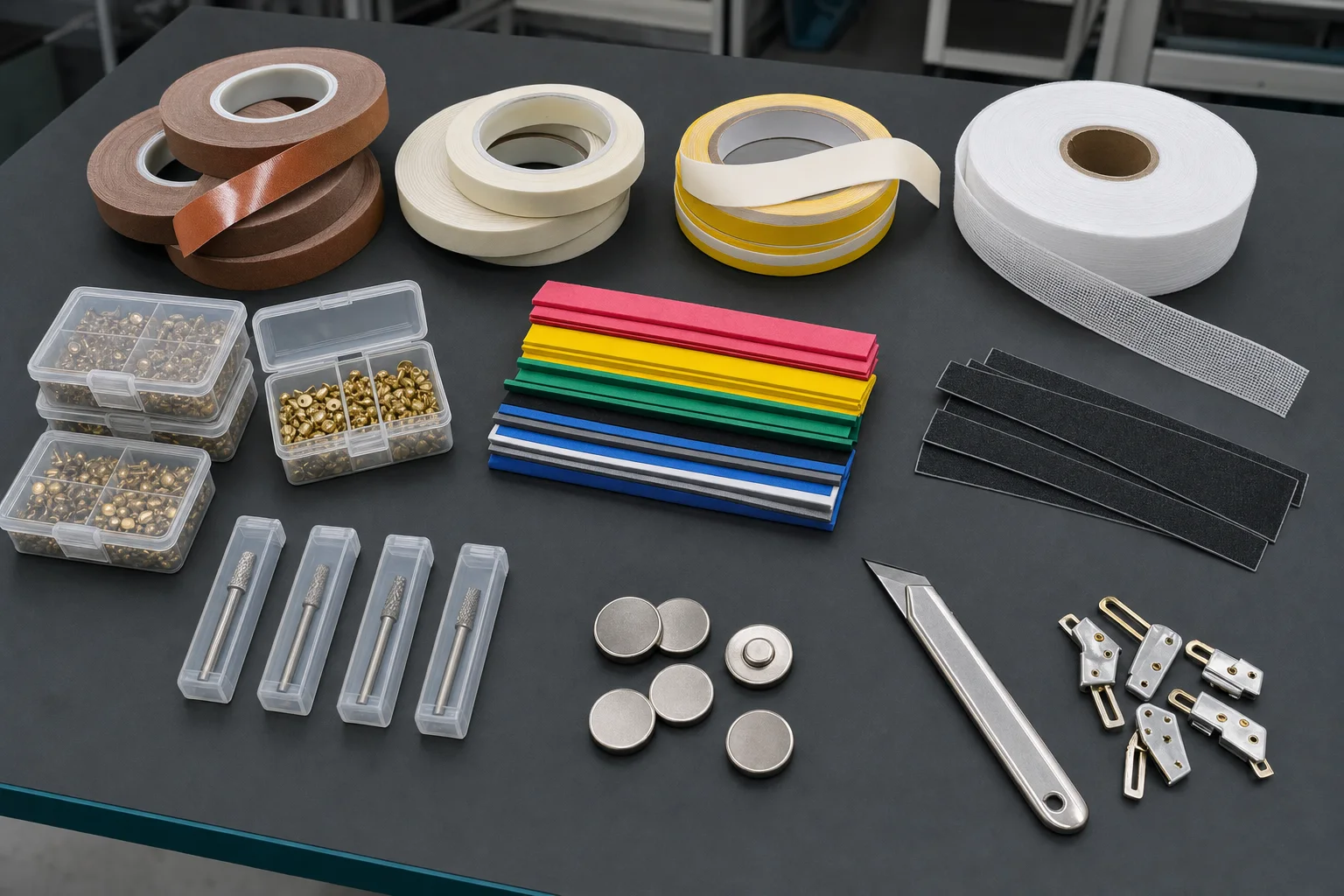
Template Room Setup
A complete setup path connecting cutting equipment, template materials, consumables and daily workflow.
- Equipment list
- Material stocking
- Consumables workflow