Template programs run on imported goods almost everywhere they exist: the sheets, the tapes and pins, and usually the machines all originate in China. Importing them well is not hard, but a few decisions — consolidation, packing spec, HS classification — decide whether your landed cost and lead times are predictable or painful. This guide covers the practical side for factory buyers in Bangladesh, Vietnam, Indonesia, Turkey, Egypt and beyond.
What a template supply order looks like
A typical first order combines four layers of goods, and understanding how each one packs explains most of the logistics:
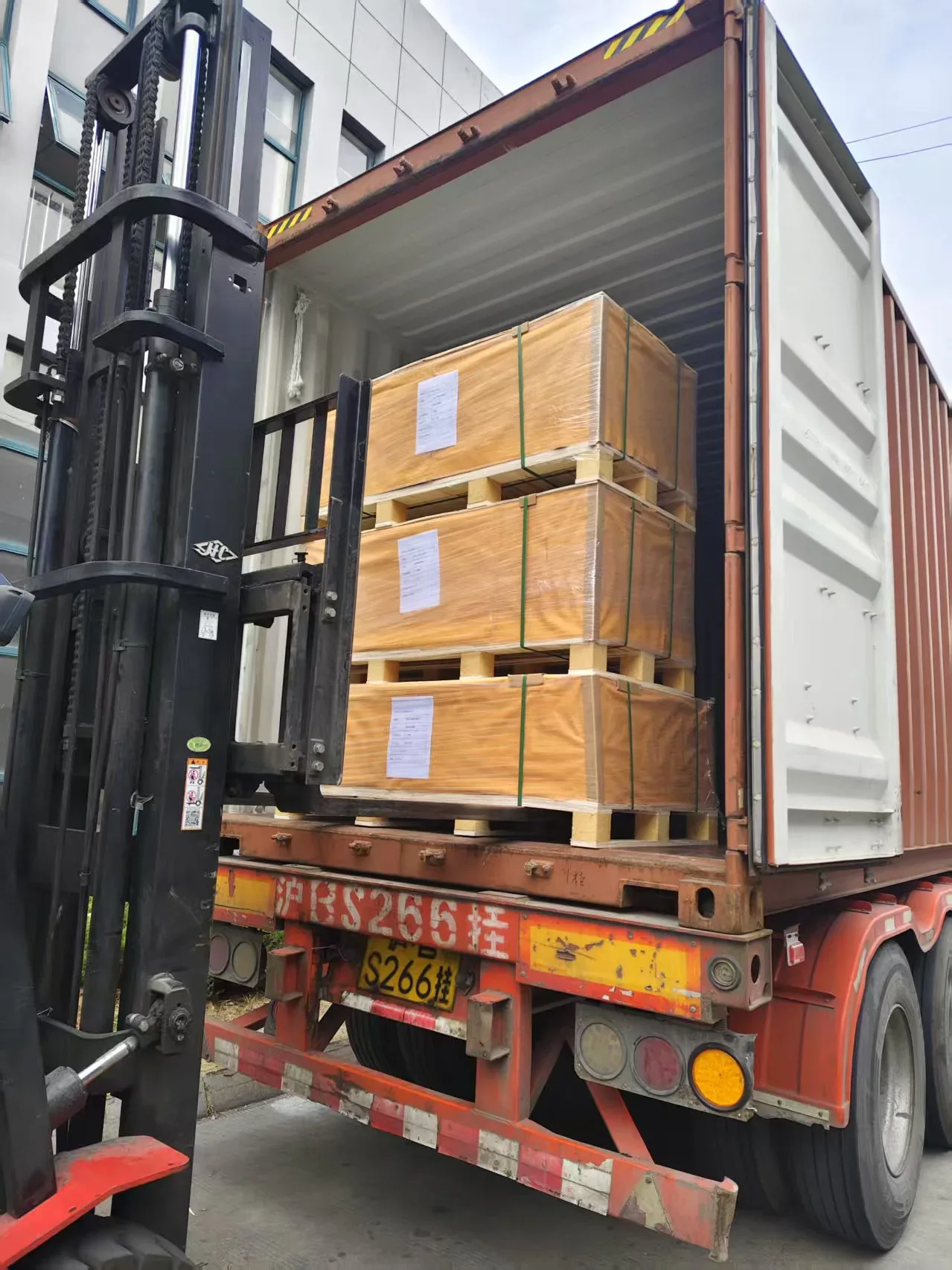
Sheet stock — PVC template sheet and epoxy board — ships flat on pallets or in plywood cases. It is the heavy, volume-driving layer of the shipment.
Consumables — tapes, grip strips, foam, pins, clips, chips — ship as standard cartons with fixed counts (tape cartons of 63–612 rolls depending on width; pin cartons of 108–200 boxes). They are light, dense and cheap to consolidate; see the full accessories catalog.
Tooling — router bits, hook knives — small boxes that ride along free in any shipment.
Machines — cutting machines and template sewing machines — crated separately, usually shipping direct from the machine factory. Read the cutting machine buying guide before this purchase; freight and rigging for machines follow different rules than materials.
MOQ reality
Materials in this industry are carton-denominated, not container-denominated: minimums are one carton per SKU, not one container per order. The practical consequence is that a starter order for a new template room — a few dozen sheets, one carton each of the core tapes and pins — is a normal, unremarkable order, and consolidating it into a single shipment is standard practice. What raises cost is fragmenting: five small couriered orders cost far more landed than one consolidated pallet.
HS codes and duty planning
The autocomplete data from real buyer searches tells the story — “template cutting machine hs code” is what purchasing managers actually type. Here is the practical guidance:
Materials and machines classify separately: plastic sheet under plastics headings, adhesive tapes under their own headings, steel pins and clips under metal articles, CNC cutting machines with machine tools, and template sewing machines within the industrial sewing machine family (heading 8452). Duty rates on these headings differ substantially in most importing countries — which is one reason to insist on a properly itemized packing list and invoice rather than one lump “template materials” line.
Three rules keep you out of trouble. First, get the supplier’s suggested HS code per line item before ordering, and have your customs broker confirm classification for your country. Second, never let a shipper “simplify” a mixed shipment under a single code — the duty saving is small and the penalty risk is real. Third, if your country has import-license or standards requirements for machinery, confirm them for the sewing/cutting machines before they ship, not at the port.
Shipping terms and lead times
For consolidated materials, FOB plus your own forwarder or CIF to your port are both routine; take CIF quotes when you lack a forwarder relationship and compare on landed cost. Machines are commonly quoted CIF or DAP with export crating included — confirm rigging and inland delivery at destination separately.
Lead-time planning is simple: consumables from stock, sheets to order within days, machines in weeks. The pattern that works is a quarterly consolidated sea shipment sized from your template output, with courier top-ups only for surprises. Chronic courier reliance means the quarterly order is undersized.
Packing spec: put it in the PO
Two lines in the purchase order prevent most quality disputes: sheets packed flat with edge protection and moisture barrier, cartons labeled with SKU and count matching the packing list. Warped sheet is the most common import complaint in this category and it is almost always a packing failure, not a production one.
Getting a first quote
Send three things: the operations you plan to template (or your machine models and field sizes), a rough monthly template output, and your port. That is enough to spec a starter kit — sheet mix, consumable cartons, tooling — as one consolidated shipment with per-line HS codes on the proforma. Our template room setup guide helps you scope the list before asking.